

















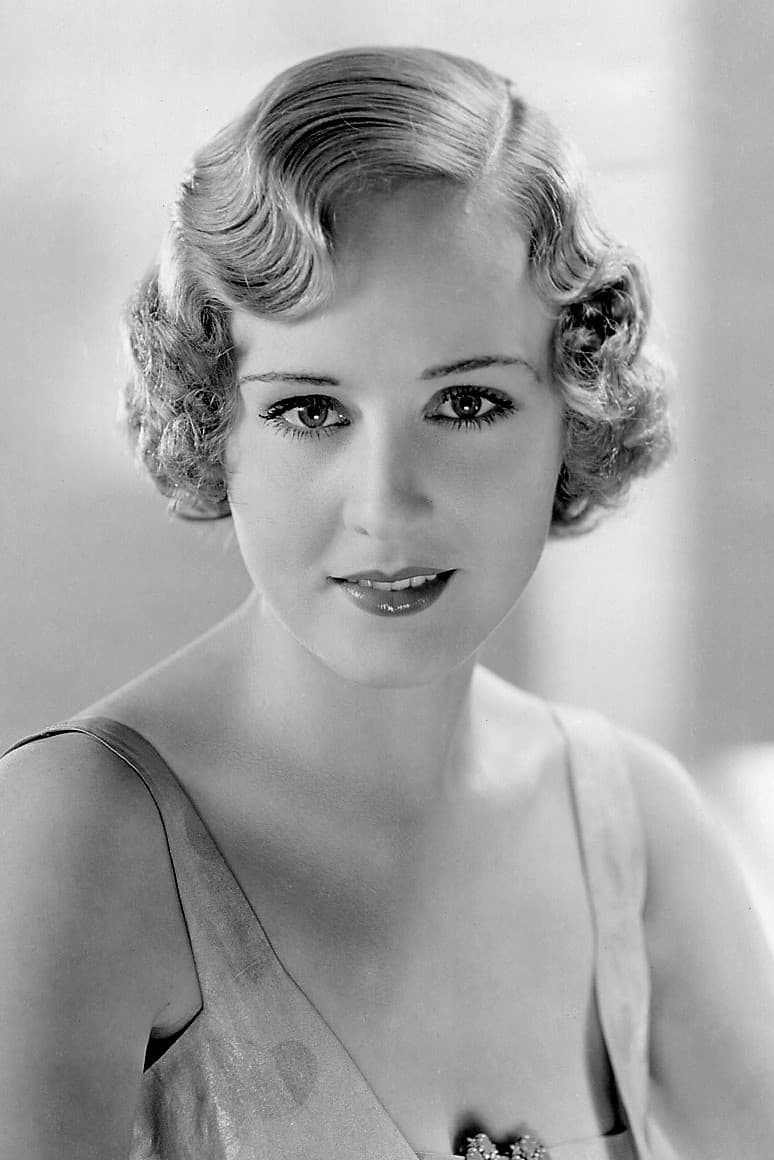
Мэдж Эванс
Lovely Madge Evans was the perennial nice girl in films of the 1930s. By then, she had been in front of the camera for many years, starting with Fairy Soap commercials at the age of two (she sat on a bar of soap holding a bunch of violets with the tag line reading "have you a little fairy in your home?"). 'Baby Madge' also lent her name to a children's hat company. In 1914, aged five, she was picked out by talent scouts to appear in the William Farnum movie The Sign of the Cross (1914), followed by The Seven Sisters (1915) with Marguerite Clark.
By the end of the following year, she had amassed some twenty film credits, appearing with such noted contemporary stars as Pauline Frederick or Alice Brady. All of her early films were made on the East Coast, at studios in Ft.Lee, New Jersey. In 1917 (aged eight), Madge made her Broadway debut in 'Peter Ibbetson' with John Barrymore and Lionel Barrymore. She resumed her stage career in 1926 as an ingenue with 'Daisy Mayme' and the following year appeared with Billie Burke in Noel Coward's costume drama 'The Marquise' (1927).
Her pleasing looks and personality soon attracted the attention of Hollywood and she was eventually signed by MGM in 1931. During the next decade, she appeared in several A-grade productions, notably as Lionel Barrymore's daughter in MGM's Dinner at Eight (1933) and as the dependable Agnes Wickfield in one of the best-ever filmed versions of David Copperfield (1935). She co-starred opposite James Cagney in the gangster movie The Mayor of Hell (1933), Spencer Tracy in The Show-Off (1934) and listened to Bing Crosby crooning the title song in Pennies from Heaven (1936). Madge received praise for her performance as the star of Beauty for Sale (1933) and The New York Times review of January 13 1934 described her acting in Fugitive Lovers (1934) (opposite Robert Montgomery ) as 'spontaneous and captivating'. Many of her 'typical American girl' roles did not allow her to express aspects of the greater acting range she undoubtedly possessed. Too often she was cast as the 'nice girl' - and those rarely make much of a dramatic impact. On the few occasions she was assigned the role of 'other woman' , such as the Helen Hayes-starrer What Every Woman Knows (1934), audiences found her character difficult to believe and disassociate from her all-round wholesome image. When her contract with MGM expired in 1937, Madge wound down her film career and, following her 1939 marriage, concentrated on being the wife of celebrated playwright Sidney Kingsley. She last appeared on stage in one of his plays, "The Patriots", in 1943.

Карьера
Всего работ3
Фильмов3
Сериалов0
Период активности1930 – 1933
Средний рейтинг IMDb6.1
Самые активные годы
1930
2 работ
1933
1 работ
Самые высокие рейтинги
Обед в восемь7.5
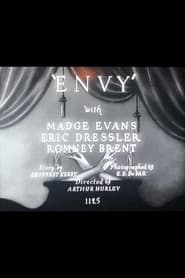
Envy4.6
Самые низкие рейтинги
Envy4.6
Обед в восемь7.5
Часто задаваемые вопросы о Мэдж Эванс
Мэдж Эванс снялся в 3 работах, включая 3 фильмов и 0 сериалов.
Самая ранняя работа в фильмографии Мэдж Эванс — The Bard of Broadway (1930).
Последняя известная работа с участием Мэдж Эванс — Обед в восемь (1933).
Одной из самых высокооцененных работ с участием Мэдж Эванс является Обед в восемь с рейтингом IMDb 7.5.
Мэдж Эванс чаще всего появляется в жанре «» ( работ).
Мэдж Эванс активен примерно 3 лет, с 1930 по 1933 год.
Работы с участием Мэдж Эванс имеют средний рейтинг IMDb 6.1.
Самыми загруженными годами в карьере Мэдж Эванс стали 1930, 1933.