




















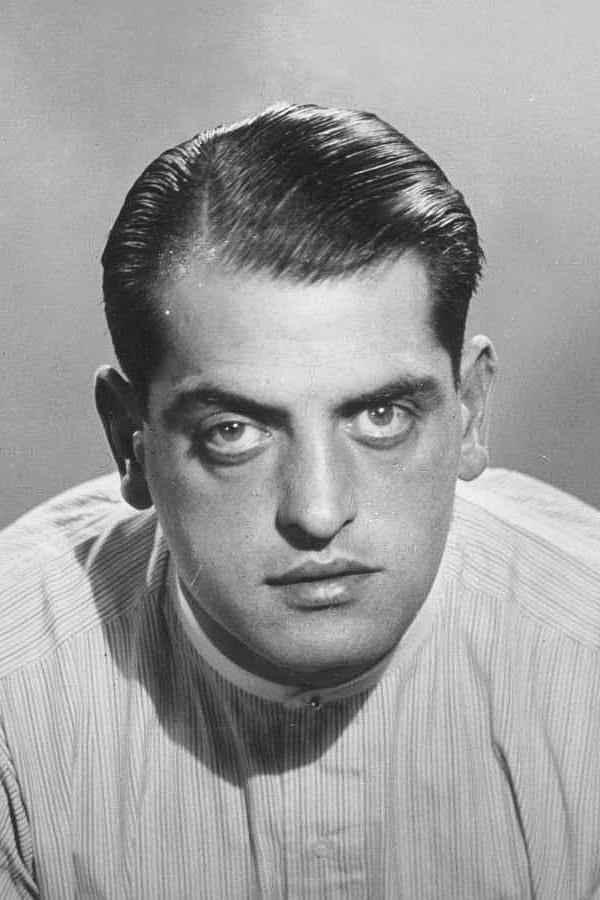
Luis Buñuel
Лучший фильм:
Андалузский пес (1929)
 7.6
7.6
7.6
Luis Buñuel Portolés (Spanish: [ˈlwis βuˈɲwel poɾtoˈles]; 22 February 1900 – 29 July 1983) was a Spanish filmmaker who worked in France, Mexico, and Spain. He has been widely considered by many film critics, historians, and directors to be one of the greatest and most influential filmmakers of all time. Buñuel's work was known for its avant-garde surrealism which was also infused with political commentary and social satire.
Often associated with the surrealist movement of the 1920s, Buñuel made films from the 1920s through the 1970s. He collaborated with prolific surrealist painter Salvador Dali creating the films Un Chien Andalou (1929), which was made in the silent era and L'Age d'Or (1930). The two films are seen as the birth of Cinematic surrealism. From 1947 to 1960 he developed his skills as a director filming in Mexico making grounded and human melodramas such as Gran Casino (1947), Los Olvidados (1950), and Él (1953). Here is where he gained the fundamentals of storytelling.
Buñuel than transitioned into making artful, unconventional, surrealist, and political satirical films. He earned acclaim with the morally complex arthouse drama film Viridiana (1961) which criticized the Francoist dictatorship. The film won the Palme d'Or at the 1961 Cannes Film Festival. He then criticized political and social conditions in The Exterminating Angel (1962), and The Discreet Charm of the Bourgeoise (1972) the later of which won the Academy Award for Best International Feature Film. He also directed Diary of a Chambermaid (1964), and Belle de Jour (1967), as well as his final film That Obscure Object of Desire (1977) the later of which earned the National Society of Film Critics Award for Best Director.
Buñuel earned five Cannes Film Festival prizes, two Berlin International Film Festival prizes, and a BAFTA Award as well as nominations for two Academy Awards. Buñuel received numerous honors including National Prize for Arts and Sciences for Fine Arts in 1977, the Moscow International Film Festival Contribution to Cinema Prize in 1979, and the Career Golden Lion in 1982. He was nominated once for the Nobel Prize in Literature in 1968. Seven of Buñuel's films are included in Sight & Sound's 2012 critics' poll of the top 250 films of all time.
НАЗВАНИЕ
ГОД
IMDB
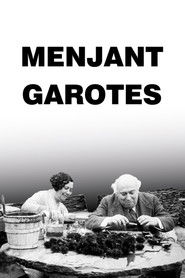
Menjant Garotes
2000
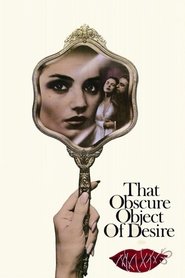
Этот смутный объект желания
1977
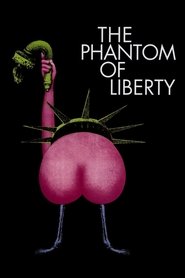
Призрак свободы
1974
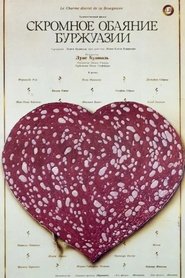
Скромное обаяние буржуазии
1972
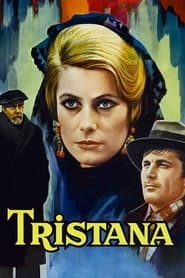
Тристана
1970

Млечный Путь
1969

Дневная красавица
1967
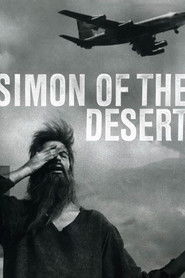
Симеон столпник
1965
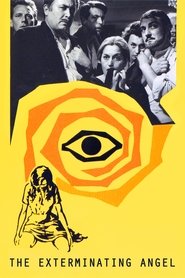
Ангел-истребитель
1962

Виридиана
1962
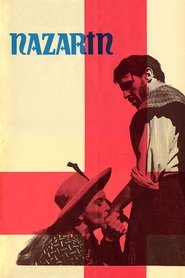
Назарин
1959

Забытые
1950
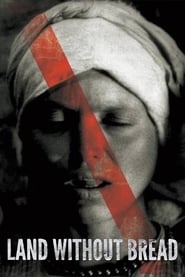
Земля без хлеба
1933

Золотой век
1930
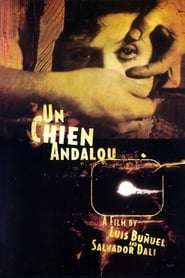
Андалузский пес
1929
2000-е
1 названий
1970-е
4 названий
1960-е
5 названий
1950-е
2 названий
1930-е
2 названий
1920-е
1 названий
Карьера
Всего работ15
Фильмов15
Сериалов0
Период активности1929 – 2000
Средний рейтинг IMDb7.7
Самые активные годы
1962
2 работ
2000
1 работ
1977
1 работ
1974
1 работ
1972
1 работ
1970
1 работ
1969
1 работ
1967
1 работ
Самые высокие рейтинги
Забытые8.2
Ангел-истребитель8
Виридиана8
Этот смутный объект желания7.8
Симеон столпник7.8
Самые низкие рейтинги
Золотой век7.2
Млечный Путь7.3
Земля без хлеба7.3
Тристана7.4
Дневная красавица7.6
Часто задаваемые вопросы о Luis Buñuel
Luis Buñuel снялся в 15 работах, включая 15 фильмов и 0 сериалов.
Самая ранняя работа в фильмографии Luis Buñuel — Андалузский пес (1929).
Последняя известная работа с участием Luis Buñuel — Menjant Garotes (2000).
Одной из самых высокооцененных работ с участием Luis Buñuel является Забытые с рейтингом IMDb 8.2.
Luis Buñuel чаще всего появляется в жанре «» ( работ).
Luis Buñuel активен примерно 71 лет, с 1929 по 2000 год.
Работы с участием Luis Buñuel имеют средний рейтинг IMDb 7.7.
Самыми загруженными годами в карьере Luis Buñuel стали 1962, 2000, 1977.